
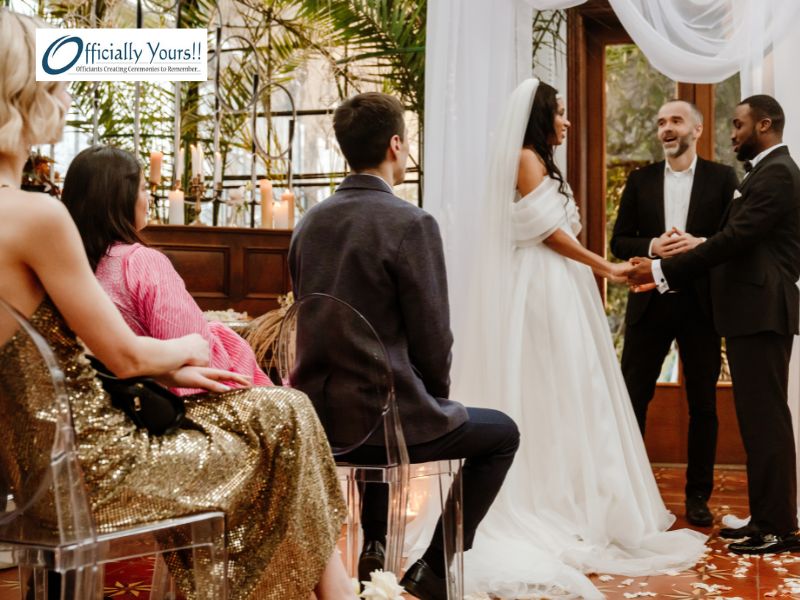
What questions should a couple ask their wedding officiant?
Planning a wedding involves countless decisions, from the venue to the guest list. One of the most important conversations you’ll have is with your wedding officiant. The officiant sets the tone for your ceremony and helps bring your vows to life. To ensure your ceremony goes smoothly and reflects your values, it helps to go in with a clear list of questions. Below are practical prompts that align with the idea of “10 questions every couple should ask their wedding officiant,” designed to guide you through the essentials and inspire a meaningful, personalized ceremony.
1. What is your process for creating a personalized ceremony?
Understanding the officiant’s approach is key. Ask how they customize scripts, incorporate traditions, and blend in personal stories. This question helps you gauge whether they’re collaborative and flexible enough to capture your love story while respecting any cultural or religious elements that matter to you.
2. Do you offer premarital counseling or coaching?
Premarital counseling can be a valuable preparation tool for couples. Some officiants provide brief coaching sessions or partner discussions to help you articulate commitments, expectations, and conflict-resolution styles. If this matters to you, clarify the availability, format, and any costs involved.
3. What are your requirements regarding rehearsals?
Rehearsals are often essential for a smooth ceremony, especially for larger weddings or multi-location setups. Ask about scheduling, how long the rehearsal lasts, who should be present, and what to practice. This helps avoid last-minute surprises on the big day.
4. How do you handle last-minute changes or emergencies?
Life is unpredictable. Inquire about their contingency plans for rain, weather delays, or a sudden illness. Do they have backup plans, alternate readings, or a policy for substitutions? Knowing this in advance reduces stress on you and your guests.
5. What is your pricing structure and what is included?
Transparency is crucial. Request a detailed breakdown of fees, including travel costs, ceremony length, rehearsal, coordination on the wedding day, and any additional services (writing the script, readings, or music coordination). Clarify payment milestones and cancellation or refund policies.
6. Are you comfortable officiating non-traditional ceremonies?
If you’re planning a non-traditional or interfaith ceremony, confirm that the officiant is open to your vision. Some couples mix secular elements with spiritual or cultural traditions. Ensure they can respectfully navigate diverse beliefs and create a ceremony that feels authentic to you both.
7. What religious or philosophical stance do you bring to ceremonies?
Even if you don’t want a religious service, understanding the officiant’s approach helps you anticipate tone and structure. Some officiants lean more ceremonial and formal, while others are relaxed and intimate. Aligning your expectations helps prevent mismatches on the wedding day.
8. Can you provide a sample ceremony or outline?
Reviewing a sample script helps you picture how your vows and readings will flow. It also gives you a sense of pacing, inclusions such as vows, ring exchange, unity rituals, and when readings occur. If you have specific elements, this is a good time to see how they’d fit.
9. How do you coordinate with other vendors and the venue?
A well-coordinated ceremony relies on clear communication. Ask about how the officiant interacts with the DJ/band, planner, and venue staff. Ensure they’re available for pre-ceremony briefings and day-of cues to keep everything on track.
10. What is your policy on vows, readings, and music?
Couples often want to personalize their ceremony through vows and readings. Check whether you can write your own vows, whether there are restrictions on readings, and how music will be integrated (live performance, playlists, or a short musical interlude). This ensures you have creative control while maintaining structure.
Bonus: 11th question to consider
How do you handle sensitive topics or moments during the ceremony, such as invites to family members who may not be present, or moments requiring discretion?
How to use these questions effectively
- Share your priorities in advance: Tell your officiant what matters most, tone, language, religious elements, or family traditions.
- Bring a written list to meetings: A printed set of questions helps you stay organized and ensures nothing is overlooked.
- Take notes and compare: After meetings, compare notes with your partner to ensure you both feel heard and confident.
What questions should a couple ask their wedding officiant? – Final thoughts
Choosing the right wedding officiant is about finding a partner who can articulate your story, respect your beliefs, and guide you through a ceremony that feels true to you. By asking the right questions, particularly the idea of “10 questions every couple should ask their wedding officiant”, you’ll gain clarity, reduce stress, and set the stage for a memorable, heartfelt ceremony. The more you prepare, the more you’ll enjoy witnessing your vows become a meaningful moment you’ll remember for a lifetime.
Contact A Simple Elopement. We will be happy to answer any of your questions.