
What’s the Most Common Wedding Vow?
Wedding vows are one of the most personal and meaningful parts of a ceremony. Couples often wonder what the “typical” vow sounds like and how to craft something that feels both timeless and true to their relationship. If you’re asking about the most common wedding vow, the answer isn’t a single script, but rather a tradition rooted in mutual commitment, echoed in modern variations. This post will explore what people commonly say, why these vows endure, and how you can approach writing wedding vows that resonate with you and your partner.
Introduction: The heart of a vow
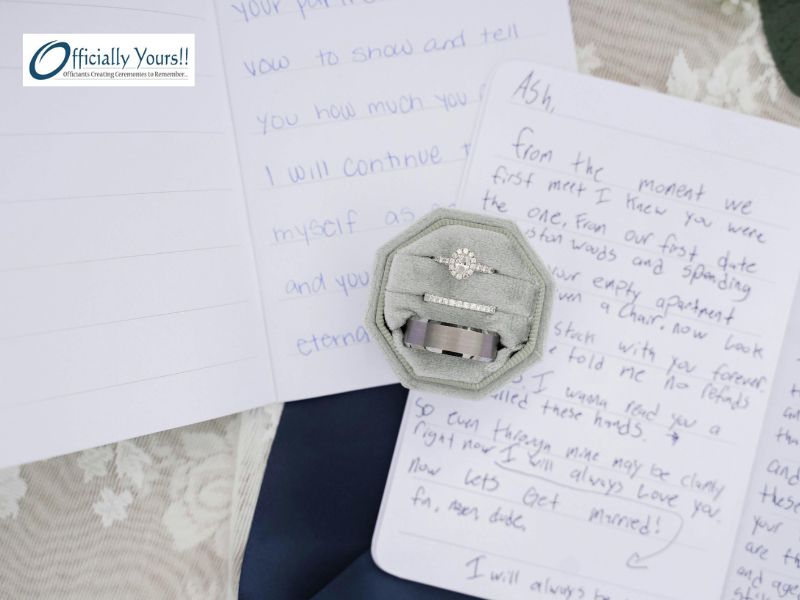
Vows are promises spoken aloud in front of family and friends, signaling a lifelong commitment. They blend gratitude, intention, and a vision for the future. For many couples, the process of writing wedding vows is as significant as the ceremony itself, a moment to reflect on what matters most and what they want to stand for as partners.
The common elements of traditional wedding vows
Across many cultures and denominations, certain phrases recur because they express universal commitments. The most common wedding vow, in its simplest form, typically includes:
- A promise of love and devotion
- A pledge to stand by the partner through good times and bad
- A commitment to support, respect, and be faithful
- An expression of shared hopes for the future
For example, a traditional structure might look like this: “I take you as my partner in life and promise to love you, honor you, and be faithful to you, in sickness and in health, for better or worse, for as long as we live.” Phrases like “to love and to cherish,” “in sickness and in health,” and “for better or worse” have become enduring staples because they succinctly capture lifelong dedication.
Variations that remain popular
While the core promises stay steady, many couples personalize their vows with variations. Some common twists include:
- Modern, succinct vows: Short, heartfelt statements that focus on daily acts of love and support.
- Personal anecdotes: Brief stories that illustrate the couple’s journey and values.
- Religious or spiritual commitments: Incorporating faith-based language or blessings.
- Non-traditional promises: Vows that emphasize equality, partnership, and shared decision-making.
- Cultural or familial traditions: Including lines that reflect heritage or family expectations.
These variations retain the essence of the traditional vow while making the expression more uniquely theirs.
Writing wedding vows: tips and structure
If you’re embarking on the process of writing wedding vows, consider these practical tips:
- Start early: Give yourself a few weeks to draft and revise.
- Speak from the heart: Use simple, sincere language rather than ornate phrases.
- Include specific promises: Mention everyday actions you’ll take, such as listening more, choosing kindness, or supporting your partner’s dreams.
- Keep a rhythm: Some couples use parallel phrases or repeated motifs to create a natural cadence.
- Consider length and delivery: Most vows run 60–120 seconds when spoken aloud; practice to ensure smooth delivery.
- Seek a balance: If one partner prefers tradition, the other can write a modern vow, or you can blend both styles.
In many ceremonies, couples read their vows aloud to the other person and to the guests, making the moment even more poignant.
The role of writing wedding vows in the ceremony
Vows serve as more than words in a script. They crystallize mutual intent and set the tone for the marriage. A well-crafted vow affirms the couple’s priorities and communicates a shared vision for the future. When guests hear the promises, they witness not just a declaration of love, but a pledge to grow together, face challenges with unity, and celebrate joys with gratitude.
What’s the Most Common Wedding Vow? – Final thoughts
There isn’t one fixed “most common” wedding vow, but rather a familiar core of promises that echo across traditions: love, faithfulness, support, and a hopeful outlook for the future. Writing wedding vows allows couples to tailor those timeless commitments to their own story, whether you lean toward a traditional script, a contemporary personal vow, or a blend of both. If you’re planning a wedding, take the time to reflect on what matters most to you as a couple, and let your vows be the honest, enduring testament of your partnership.